Book Your Appointment


More Than Hormones: Understanding the Mental Health Impact of PCOS and Endometriosis
by Layla Abdullatif
July 17, 2026
When discussing polycystic ovary syndrome (PCOS) and endometriosis, conversations often focus on irregular periods, fertility challenges, hormonal imbalances, and chronic pain. While these physical symptoms are important, they represent only one aspect of living with these conditions. Increasingly, research has shown that PCOS and endometriosis can also have profound effects on emotional well-being and mental health.
For many individuals, the experience extends beyond managing symptoms. It involves coping with uncertainty, navigating delayed diagnoses, facing stigma, and adapting to changes that can affect self-esteem, relationships, and quality of life. Understanding the psychological aspects of these conditions is an essential step towards providing more holistic care.
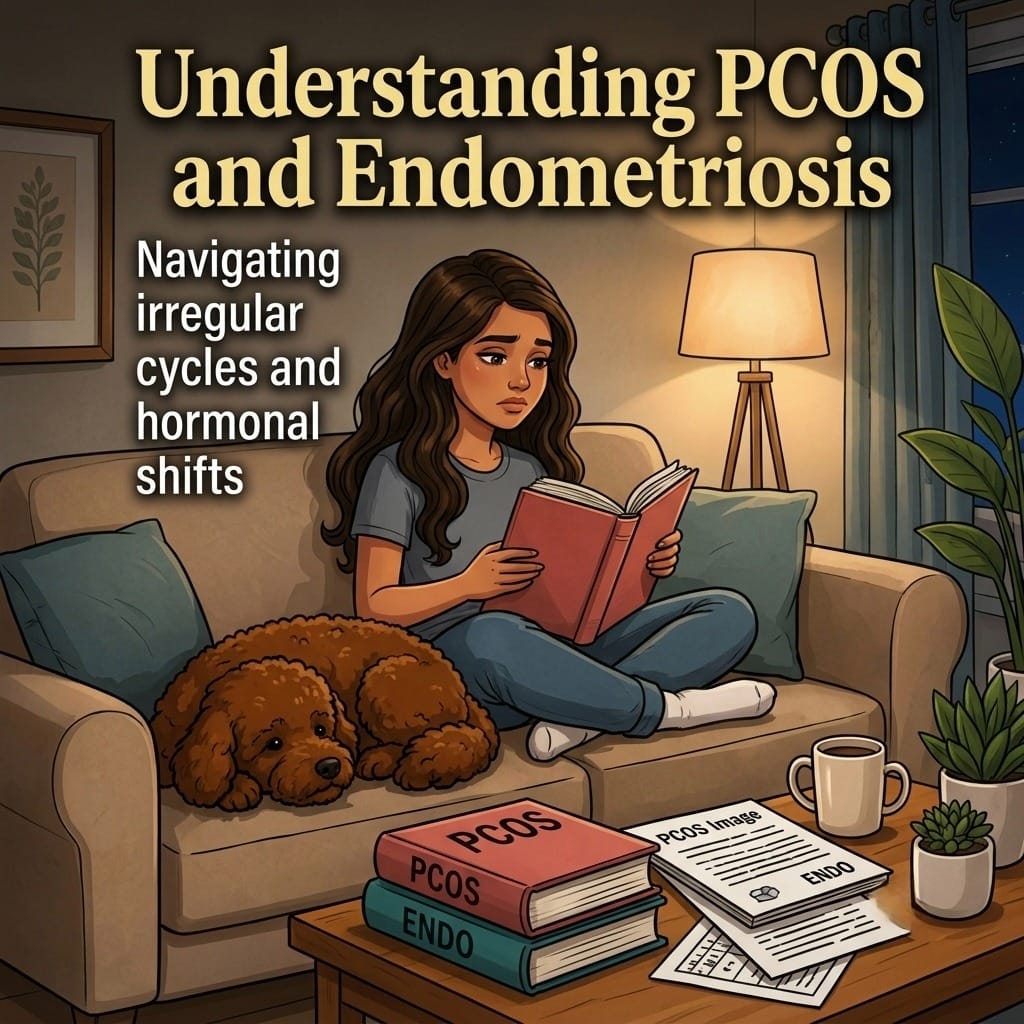
Understanding PCOS and Endometriosis
Polycystic ovary syndrome is one of the most common endocrine disorders affecting women of reproductive age. It is characterised by hormonal imbalances and may involve irregular menstrual cycles, acne, excessive hair growth, weight changes, insulin resistance, and fertility concerns.
Endometriosis, meanwhile, occurs when tissue similar to the lining of the uterus grows outside the uterus. It is commonly associated with chronic pelvic pain, painful periods, fatigue, and difficulties with fertility. Many individuals experience symptoms for years before receiving a diagnosis.
Although these conditions differ in their causes and symptoms, both can significantly influence psychological well-being.
The Mental Health Connection
The emotional impact of these conditions is often best understood through lived experience. One 21-year-old woman living with PCOS described first noticing that something was not quite right when she was 11 years old and had just begun menstruating. While irregular periods are often considered normal during early adolescence, her symptoms persisted. Although she sought medical help, it took consultations with multiple healthcare professionals before she received a diagnosis. Looking back, she recalled feeling frightened and overwhelmed, particularly by fears that she might never be able to have children. Much of this anxiety stemmed from misconceptions she had heard about PCOS and fertility, demonstrating how uncertainty and misinformation can intensify emotional distress.
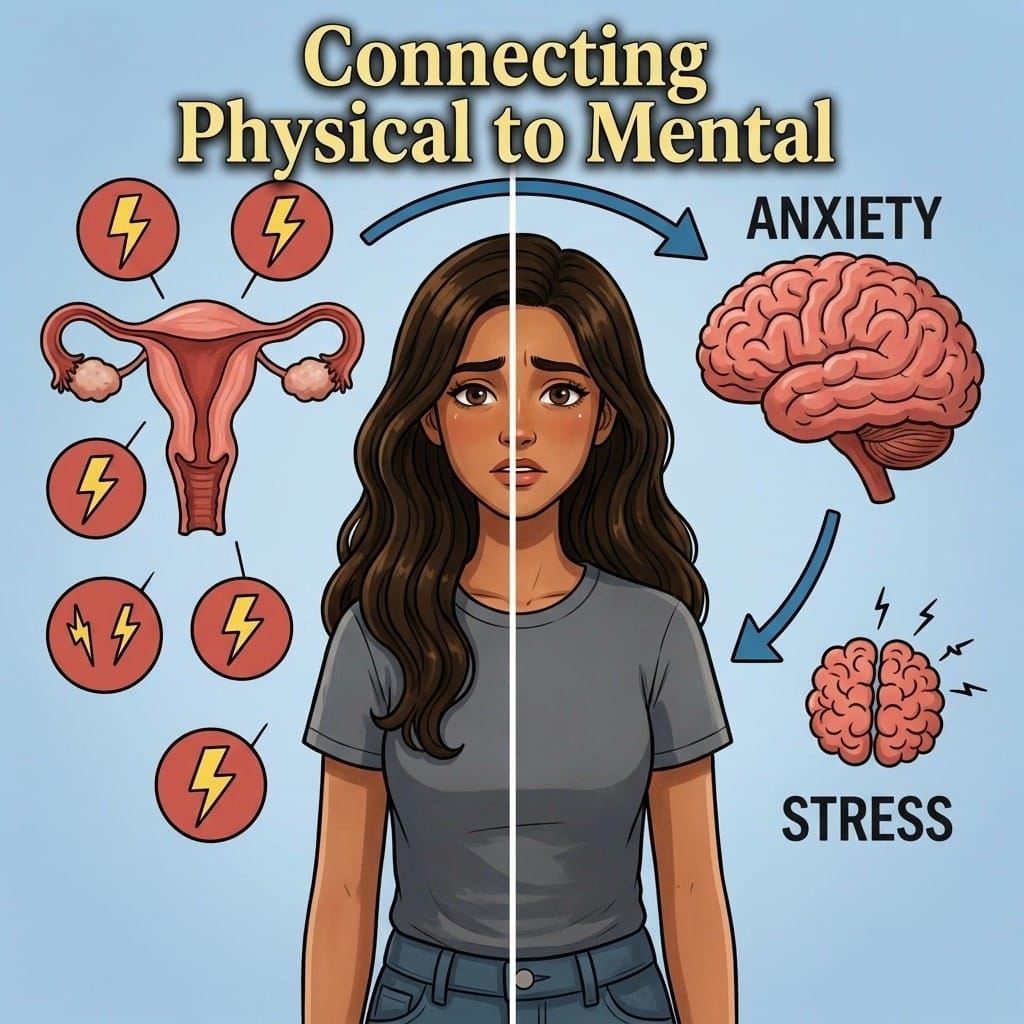
Anxiety and Depression
Research consistently demonstrates that individuals with PCOS and endometriosis are more likely to experience symptoms of anxiety and depression compared with the general population. While hormones and biological factors may play a role, the emotional burden of managing a chronic condition should not be underestimated.
Living with unpredictable symptoms, coping with persistent pain, or worrying about fertility can create ongoing stress. For some, these concerns may gradually contribute to feelings of sadness, hopelessness, or anxiety.
One interview participant described frequently feeling overwhelmed by emotions she could not fully explain. Although she has developed coping strategies over the years, she reported continuing to experience anxiety, frustration, and emotional exhaustion related to her condition. She explained that there are still moments when she becomes emotional or irritable and later finds herself questioning why she reacted that way, often blaming herself in the process. Her experience reflects findings in the literature showing that the psychological burden of chronic reproductive health conditions can be just as significant as the physical symptoms themselves.
Chronic pain itself is closely linked to emotional distress. Studies have found that the severity of pain in endometriosis is often associated with poorer mental health and lower quality of life.
Body Image and Self-Esteem
For individuals with PCOS, physical symptoms such as acne, weight gain, hair thinning, or excess facial and body hair can affect confidence and self-image. Societal expectations regarding appearance may intensify these feelings, leading some individuals to experience embarrassment, shame, or reduced self-esteem.
Similarly, people living with endometriosis may struggle with feelings of frustration or loss as they adapt to limitations imposed by pain and fatigue. Changes in intimacy, sexual health, and fertility may also influence emotional well-being and relationships.
The participant interviewed for this article described how PCOS affected her confidence and body image. She shared that there were periods when she felt uncomfortable in her own body and found herself comparing her experiences to those of others who did not face the same challenges. At times, it felt as though her body was working against her, which negatively impacted her self-esteem. However, she also reflected on how her relationship with her body has gradually improved over time, explaining that she is learning to be kinder to herself and recognise that her worth is not defined by her condition.
Stress and Emotional Exhaustion
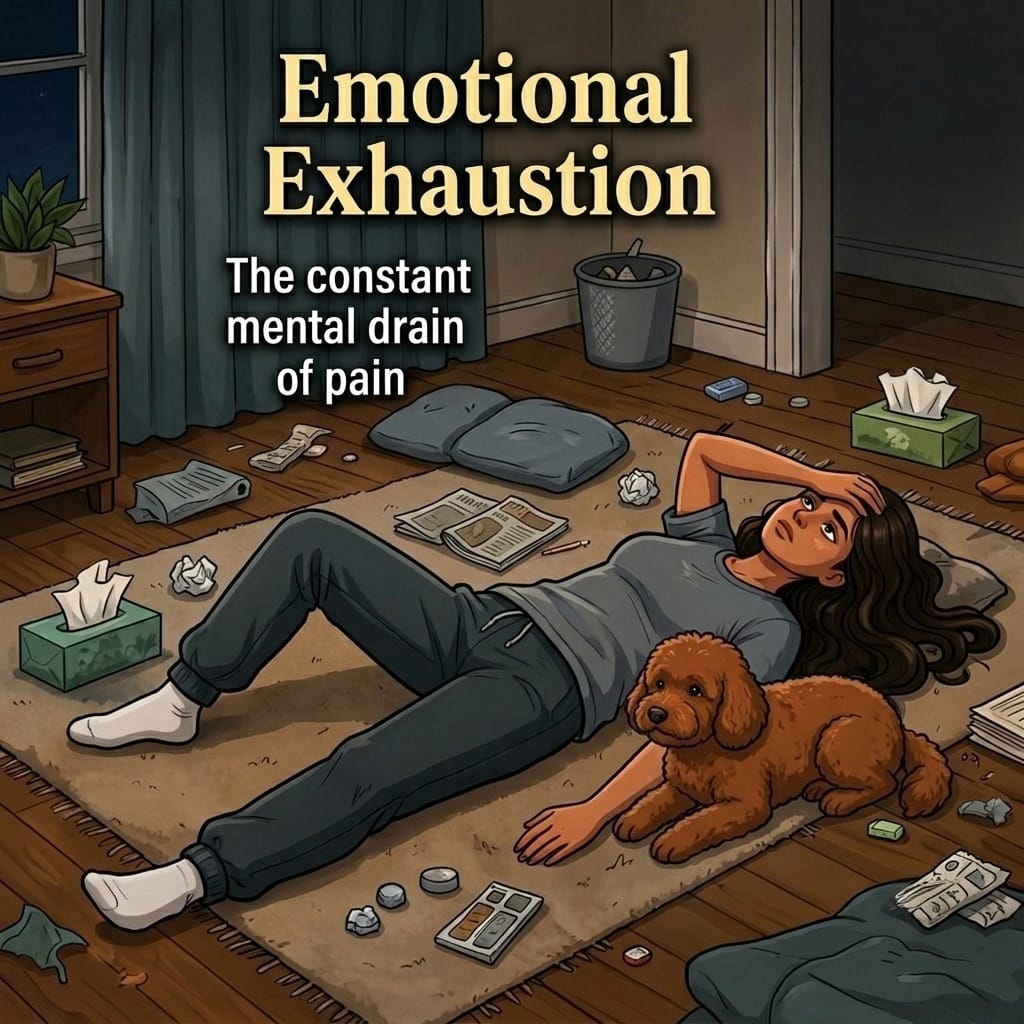
Managing a chronic condition often requires continuous attention. Medical appointments, lifestyle changes, symptom tracking, and treatment decisions can become emotionally exhausting.
Many individuals report feeling that they must constantly “manage” their condition, leading to burnout and fatigue. The unpredictability of symptoms can also create anxiety, making it difficult to plan social activities, work commitments, or daily routines.
Fatigue was identified by the interview participant as one of the most challenging symptoms to cope with emotionally. She explained that constant tiredness affects her motivation and makes everyday tasks feel more difficult. Combined with emotional sensitivity and mood fluctuations, the fatigue often leaves her feeling drained and frustrated. These experiences highlight how the cumulative effects of chronic symptoms can impact both mental health and daily functioning.
Why Mental Health Concerns Are Often Overlooked
Historically, discussions surrounding PCOS and endometriosis have centred on reproductive and physical symptoms. Emotional experiences have often received less attention.
Delayed diagnosis remains a common challenge, particularly in endometriosis. Individuals may spend years seeking answers, sometimes feeling dismissed or told that their symptoms are simply part of normal menstruation. Such experiences can contribute to frustration, self-doubt, and feelings of isolation.
The interview participant described feeling dismissed during her initial medical consultations. She recalled being repeatedly told that her irregular periods were simply a normal part of adolescence. Although these explanations may have been well-intentioned, they left her feeling that her concerns were not being taken seriously. Receiving a diagnosis eventually provided relief because it validated her experiences and confirmed that what she had been experiencing was real.
Stigma surrounding menstruation, fertility, and women’s health can further discourage people from discussing the emotional impact of their condition. As a result, anxiety, depression, and stress may go unnoticed or untreated.
The participant also reported encountering misconceptions from others who viewed PCOS as “just irregular periods” or not a serious condition. Such comments made her feel misunderstood and minimised the emotional struggles she was experiencing. These misconceptions reflect a broader societal tendency to focus on visible physical symptoms while overlooking the significant psychological effects of chronic reproductive health conditions.
The Importance of Holistic Care
Mental health support should not be viewed as separate from physical healthcare. Rather, emotional well-being forms an essential part of overall health.
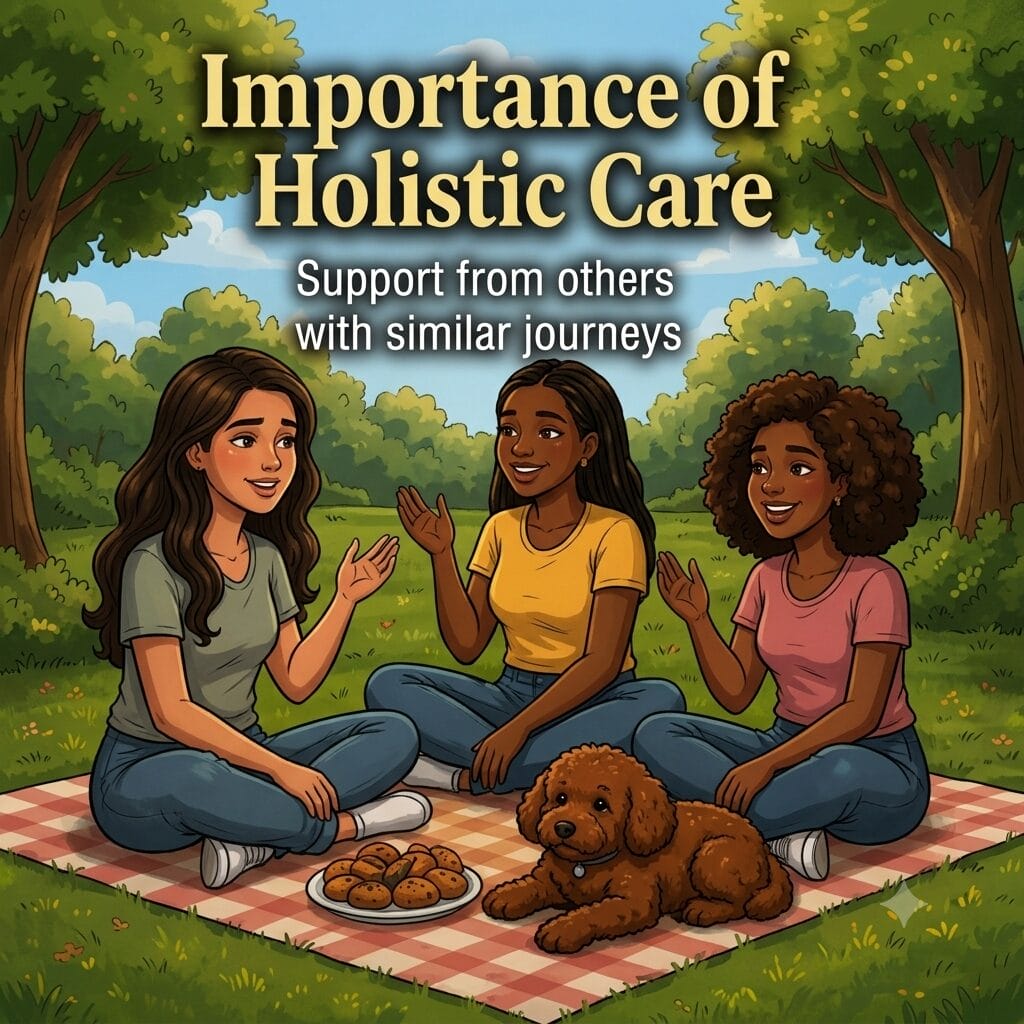
Seeking support does not necessarily mean that someone is experiencing severe mental illness. Therapy, counselling, stress management techniques, and peer support groups can help individuals navigate the emotional challenges associated with chronic conditions.
Research suggests that approaches such as physical activity, psychological support, and multidisciplinary care may contribute to improved quality of life and reduced symptoms of anxiety and depression. Importantly, support can also help individuals develop self-compassion and coping strategies while managing the uncertainties associated with their condition.
Healthcare professionals are increasingly recognising the importance of integrated care, where physical symptoms and emotional well-being are addressed together rather than separately.
However, the participant’s experience highlights that there is still progress to be made. She reported that mental health was never discussed during her treatment and that no healthcare professional recommended counselling or psychological support. Looking back, she believes these conversations are essential because they help patients understand the emotional impact of their diagnosis and reduce feelings of self-blame. She expressed a wish that counselling had been available to her from the beginning of her journey.
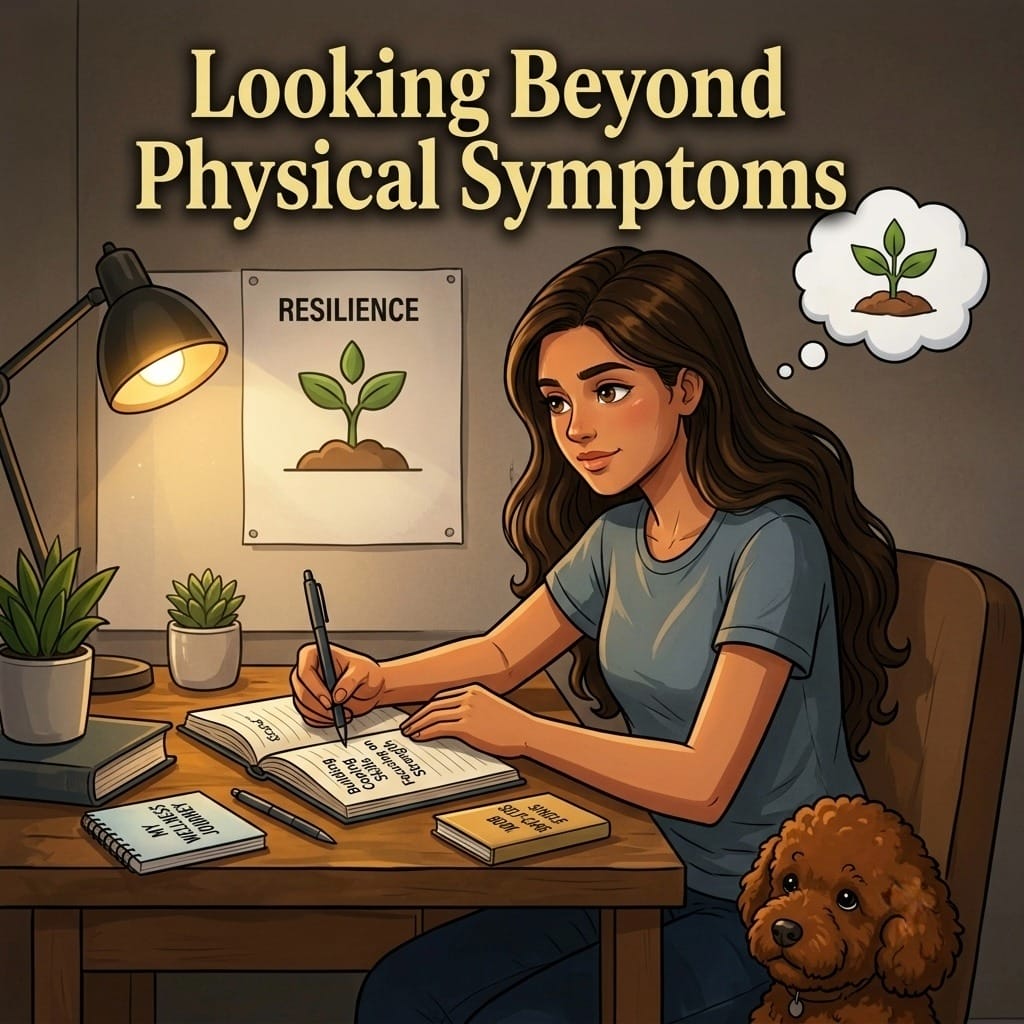
Like many individuals living with chronic conditions, she largely relied on herself for support. Journaling became one of her primary coping strategies during difficult periods, allowing her to process overwhelming emotions and gain a sense of relief. She also found comfort in online communities and social media, where hearing the experiences of other women with PCOS helped her realise that she was not alone and that her struggles were valid.
Recognising When Support May Be Helpful
Living with PCOS or endometriosis can be emotionally demanding. It may be helpful to seek support if you experience:
- Persistent feelings of sadness or hopelessness.
- Anxiety that interferes with daily life.
- Difficulty coping with chronic pain or symptoms.
- Changes in sleep or appetite.
- Emotional exhaustion or burnout.
- Withdrawal from activities or relationships.
- Feelings of isolation or low self-worth.
Speaking with a healthcare professional or mental health practitioner can provide an opportunity to explore these experiences and access appropriate support.
Looking Beyond the Physical Symptoms
PCOS and endometriosis are more than reproductive or hormonal conditions. They are experiences that affect the body, mind, and everyday life.
The lived experiences shared in this article remind us that the emotional effects of these conditions are not secondary concerns. Anxiety, self-doubt, body image struggles, fatigue, and feelings of isolation can significantly affect quality of life. Yet these experiences often remain invisible within healthcare conversations.
Recognising the psychological impact of these conditions is essential for improving quality of life and ensuring that individuals receive truly holistic care. By acknowledging both physical and emotional experiences, healthcare providers, loved ones, and society can better support those navigating these often misunderstood conditions.
As the interview participant reflected, one of the most important things people should understand is that individuals living with these conditions are often doing their best to manage challenges that others cannot see. What they need most is patience, understanding, and compassion rather than judgment.
Because no one should have to manage chronic illness alone, and caring for mental health is just as important as caring for physical health.
References:
Conte, F., Banting, L., Teede, H. J., & Stepto, N. K. (2015). Mental health and physical activity in women with polycystic ovary syndrome: A brief review. Sports Medicine, 45, 497–504. https://doi.org/10.1007/s40279-014-0291-6
Kocak, M., et al. (2023). Stigma and mental health in endometriosis. European Journal of Obstetrics & Gynecology and Reproductive Biology: X, 19, 100228. https://doi.org/10.1016/j.eurox.2023.100228
Li, W., Feng, H., & Ye, Q. (2025). Relationship between endometriosis and mental health: A systematic review and meta-analysis. Archives of Medical Science, 21(5), 1985–1996. https://doi.org/10.5114/aoms/208502
Patten, R. K., Pascoe, M. C., Moreno-Asso, A., Boyle, R. A., Stepto, N. K., & Parker, A. G. (2021). Effectiveness of exercise interventions on mental health and health-related quality of life in women with polycystic ovary syndrome: A systematic review. BMC Public Health, 21, 2310. https://doi.org/10.1186/s12889-021-12280-9
Teede, H., Deeks, A., & Moran, L. (2010). Polycystic ovary syndrome: A complex condition with psychological, reproductive and metabolic manifestations that impacts on health across the lifespan. BMC Medicine, 8, 41. https://doi.org/10.1186/1741-7015-8-41
Wang, Y., Li, B., Zhou, Y., Wang, Y., Han, X., Zhang, S., He, Z., & Ouyang, L. (2021). Does endometriosis disturb mental health and quality of life? A systematic review and meta-analysis. Psychotherapy and Psychosomatics, 86(4), 315–335. https://doi.org/10.1159/000516517
Zippl, A. L., Reiser, E., & Seeber, B. (2024). Endometriosis and mental health disorders: Identification and treatment as part of a multimodal approach. Fertility and Sterility, 121(3), 370–378. https://doi.org/10.1016/j.fertnstert.2023.12.033
More Posts