Book Your Appointment


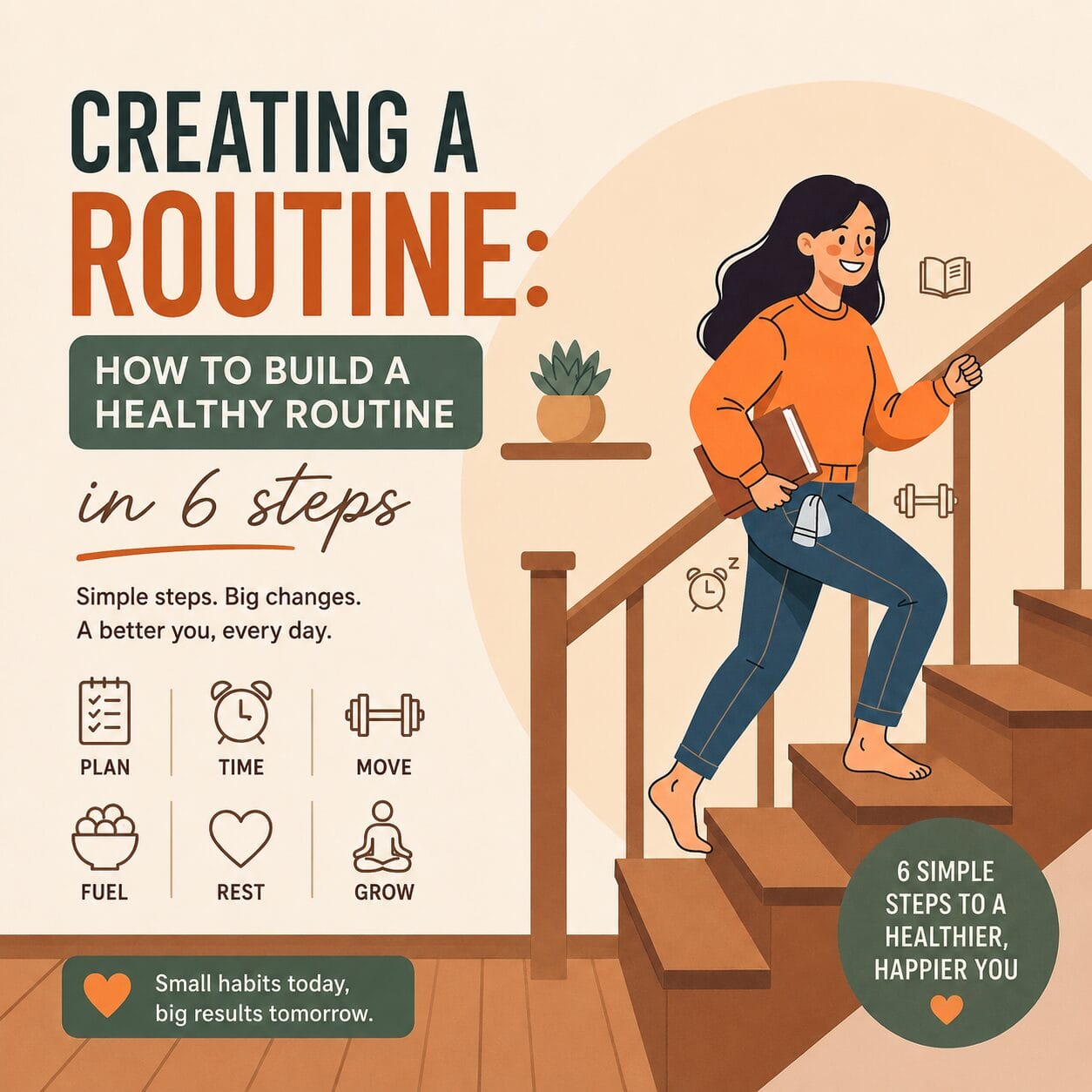
Creating a Routine: How to Build a Healthy Routine in Just 6 Steps
by Sanctuary Clinics
May 30, 2026
Many individuals think that setting and sticking with a routine demands a high level of discipline, total self-control, or even a complete change in one’s daily life. In reality, routines that are maintained long-term are not created overnight; they are made by small, consistent habits that suit your lifestyle and support your mental health.
If you find it difficult to get motivated, feel burned out, or get overwhelmed, then adding routine to your day is one of the ways to help boost your productivity, control mood swings, and also feel in charge of the aspects in your life. A good routine shouldn’t restrict you, it’s meant to support you.
Why Do Routines Matter for Mental Health?
A consistent daily routine does more than just organise your schedule – it creates psychological stability.
When life becomes unpredictable, routines become a means of knowing what to expect. Simple routine habits can lessen anxiety and make you view daily activities more manageable. Over time, having routines will help:
- Improve your sleep patterns and energy levels
- Regulate mood and emotional responses
- Build a sense of control and stability
- Support behavioural activation, helping to break cycles of inactivity or isolation
Before You Start: Let Go of the “Perfect Routine”
Before building your routine, it’s important to change some of your expectations.
A healthy routine is not about waking up early, being productive throughout the day, or doing everything “right.” It’s about creating a structure that works for you.. Your routine should reflect your energy levels, responsibilities, and current mental state.
Some days will feel easier than others – and that’s okay. Life changes, and your routine can evolve with you.
6 Steps to Building a Healthy Routine
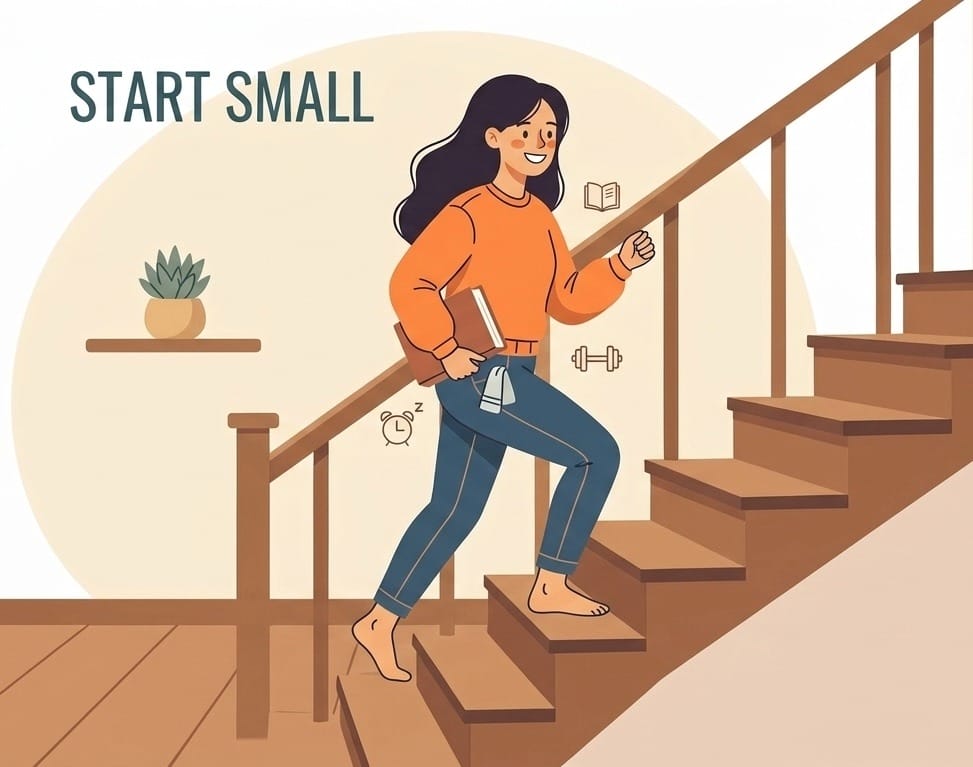
1. Start Small
Avoid changing everything at once. Trying to overhaul your entire day can quickly become overwhelming.
Instead, focus on one or two small habits. For example, waking up at a consistent time or taking a short walk in the morning. Consistency matters more than intensity.
2. Stack Your Habits
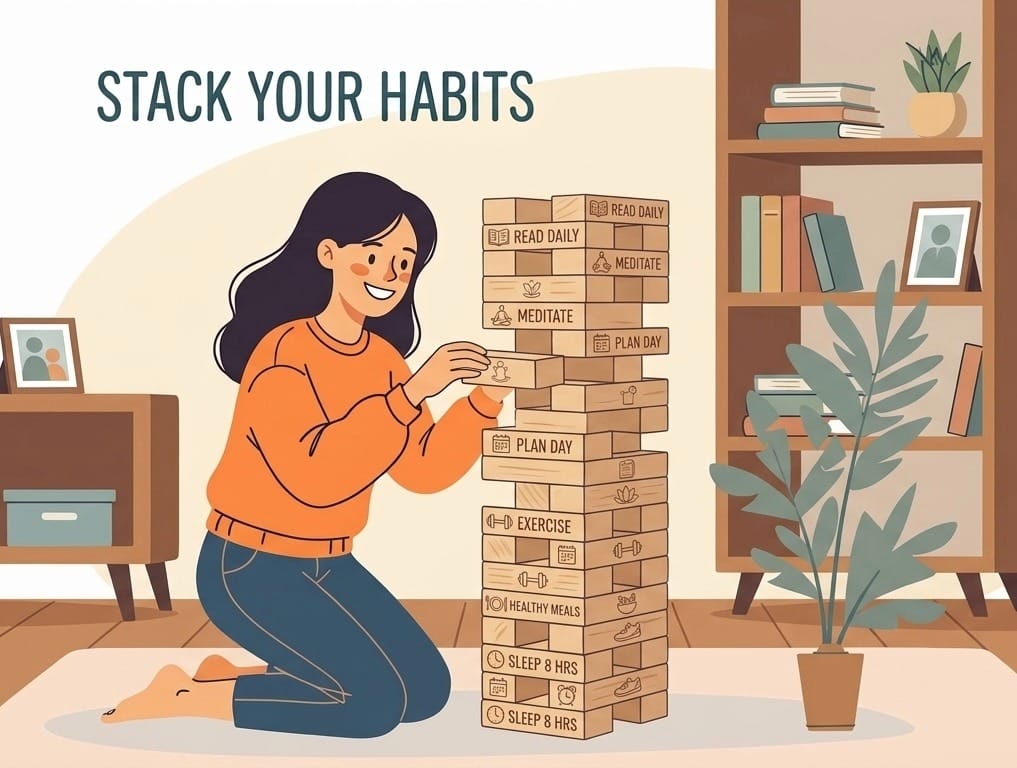
Habit stacking involves attaching a new habit to something you already do.
For example:
- After brushing your teeth, try to drink a glass of water
- After lunch, push yourself to take a short walk
This reduces the mental effort needed to build new habits and makes them easier to maintain.
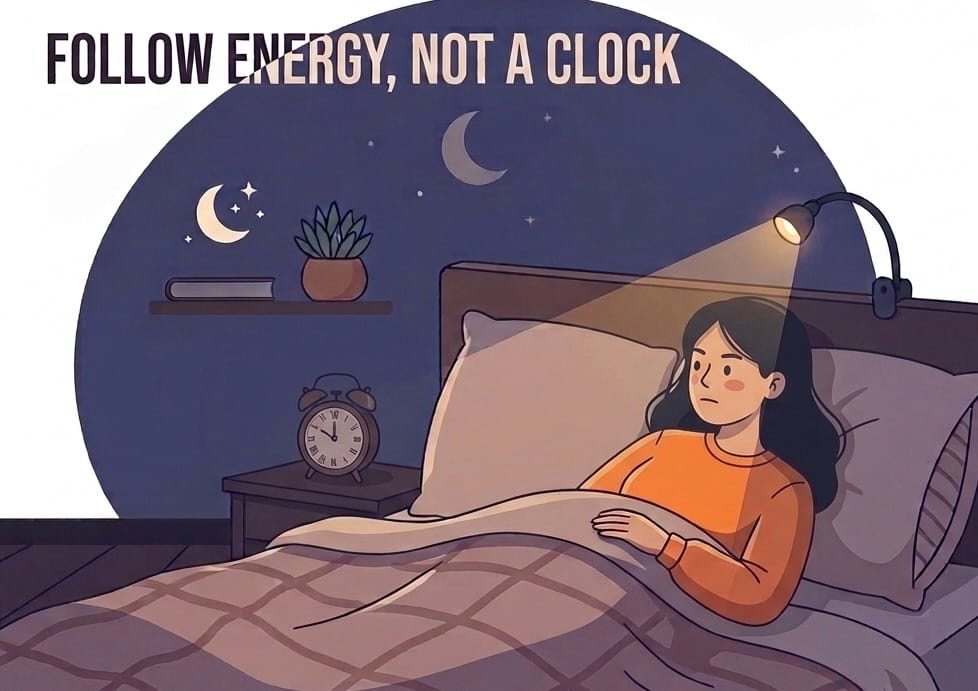
3. Follow Your Energy, Not Just the Clock
Not everyone functions best on the same schedule.
Pay attention to when you feel most focused or energised. Try placing more demanding tasks during those periods, and allowing lower-energy times for rest or simpler activities.
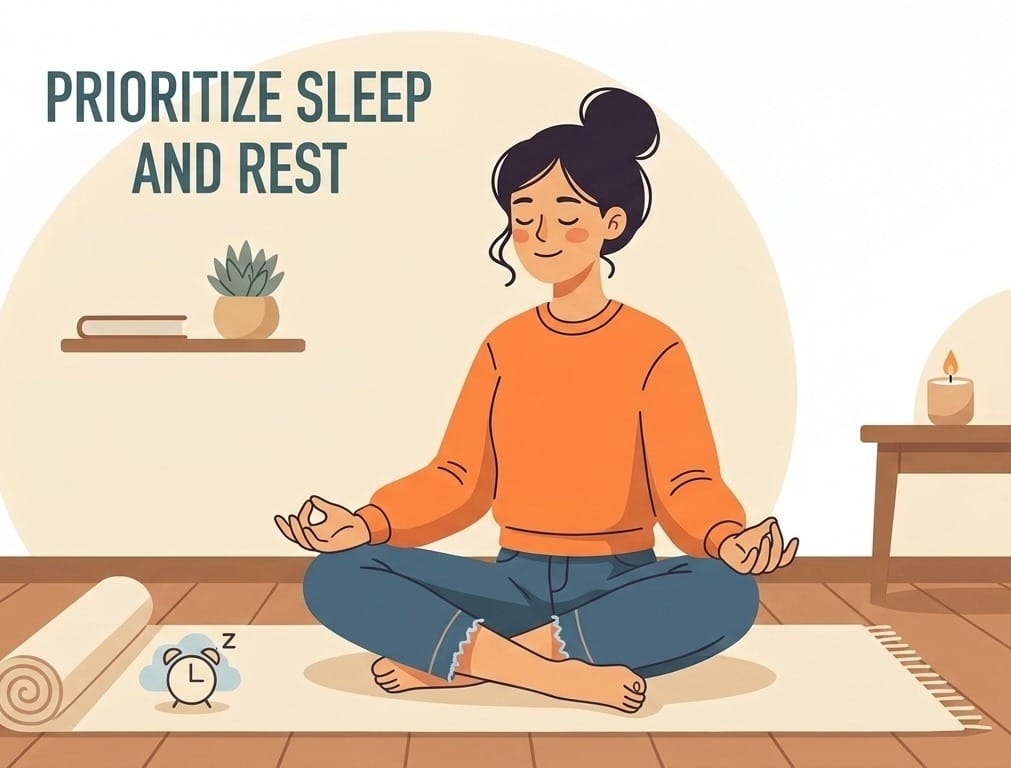
4. Prioritise Sleep and Rest
Rest is not something you need to earn, it’s something your mind and body need.
A sustainable routine includes proper sleep and intentional downtime. Without it, productivity drops and burnout becomes more likely. Even simple wind-down habits at night can make a meaningful difference.
5. Allow Flexibility
A routine should guide you, not control you.
If it becomes too strict, it can start to feel restrictive or discouraging. Leaving space for flexibility helps you adapt without feeling like you’ve failed when things don’t go as planned.

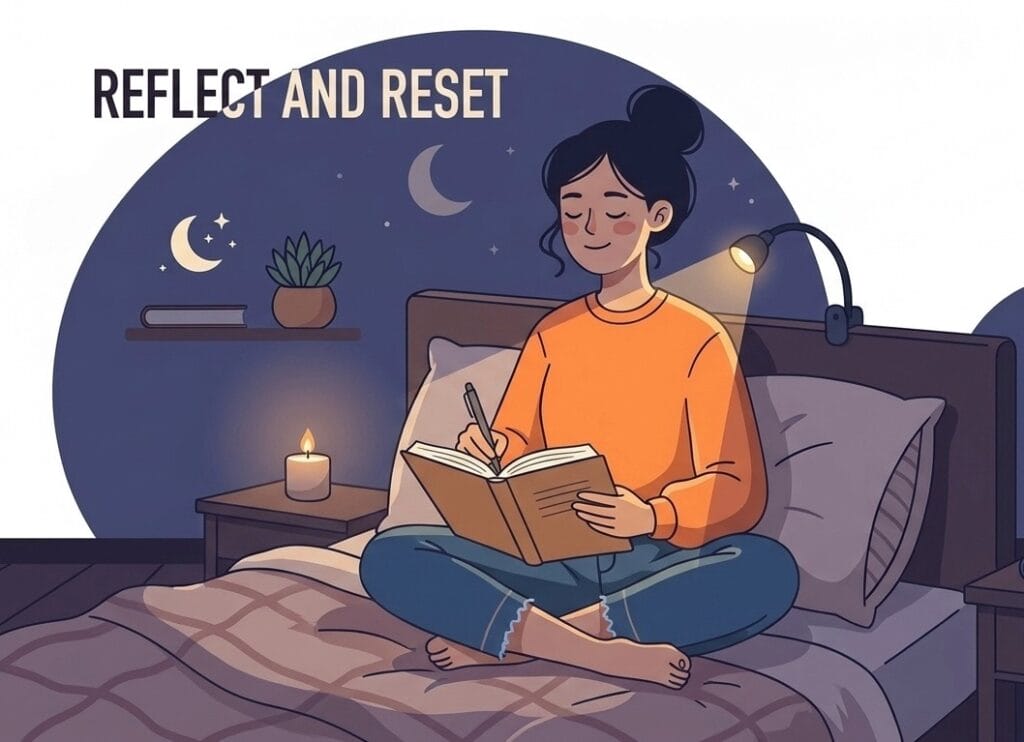
6. Reflect and Reset
Take a few moments to reflect with yourself.
Journaling or reflecting on your day can help you notice patterns, what feels supportive, and what feels draining. Over time, this awareness makes it easier to shape a routine that genuinely works for you. For some, having a space to talk these patterns through can also provide additional clarity and direction.
Common Challenges and How to Overcome Them
“I feel unmotivated.”
Focus on taking one small action rather than waiting to feel ready. Often, motivation follows movement.
“I feel bored.”
Introduce small variations, change your environment, rotate activities, or build in variety to keep things engaging.
“I am not consistent.”
Start smaller than you think. Even a 5-minute habit is a step forward, and consistency builds gradually.
Building a routine isn’t about becoming a “perfect” version of yourself. It’s about creating a rhythm that supports you especially on the days when things feel harder.
Start small. Stay flexible. Adjust as needed.
And if you find yourself feeling stuck, overwhelmed, or unsure where to begin, it can help to explore these patterns with the right support. Sometimes, having guidance makes it easier to turn small steps into lasting change.
References
American Institute for Cancer Research. (n.d.). What is habit stacking and why is it important? https://www.aicr.org/resources/blog/what-is-habit-stacking-and-why-is-it-important/
Aughterson, H., Fancourt, D., Chatterjee, H., & Burton, A. (2024). Social prescribing for individuals with mental health problems: An ethnographic study exploring the mechanisms of action through which community groups support psychosocial well-being. Wellcome Open Research, 9, 149. https://doi.org/10.12688/wellcomeopenres.20981.1
Li, T. W., Liang, L., Ho, P. L., Yeung, E. T. F., Hobfoll, S. E., & Hou, W. K. (2022). Coping resources mediate the prospective associations between disrupted daily routines and persistent psychiatric symptoms: A population-based cohort study. Journal of Psychiatric Research, 152, 260–268. https://doi.org/10.1016/j.jpsychires.2022.05.033
Lieber, M. (2016). Implementing tiny goals after current habits to create consistent healthy lifestyle routine [Honors research project, University of Akron]. IdeaExchange@UAkron. https://ideaexchange.uakron.edu/honors_research_projects/343/
Liu, H., Tao, T. J., Chan, S. K. Y., Ma, J. C. H., Lau, A. Y. T., Yeung, E. T. F., et al. (2024). Daily routine disruptions and psychiatric symptoms amid COVID-19: A systematic review and meta-analysis of data from 0.9 million individuals in 32 countries. BMC Medicine, 22, 49. https://doi.org/10.1186/s12916-024-03253-x
Nisar, A., Yin, J., Zhang, J., Qi, W., Yu, J., Li, J., et al. (2025). Integrating WHO thinking healthy programme for maternal mental health into routine antenatal care in China: A randomized-controlled pilot trial. Frontiers in Global Women’s Health, 5, Article 1475430. https://doi.org/10.3389/fgwh.2024.1475430
Northern Healthcare. (n.d.). The power of routine for mental health. https://www.northernhealthcare.org.uk/news-resources/the-power-of-routine-for-mental-health/
Parthasarathy, S., & Grewal, J. (2023, June 29). How a daily routine can boost your mental health. UCLA Health. https://www.uclahealth.org/news/article/how-daily-routine-can-boost-your-mental-health
Picardi, M. (2023, April 20). Habit stacking: What is it and how does it work? Good Housekeeping. https://www.goodhousekeeping.com/life/a43660778/habit-stacking/
Singh, B., Murphy, A., Maher, C., & Smith, A. E. (2024). Time to form a habit: A systematic review and meta-analysis of health behaviour habit formation and its determinants. Healthcare, 12(23), 2488. https://doi.org/10.3390/healthcare12232488
Xie, Y., Xu, E., & Al-Aly, Z. (2023). Long-term care and healthcare utilization of 10 clinical conditions after COVID-19 infection. Nature Communications, 14, 4811. https://doi.org/10.1038/s41467-023-40541-y
More Posts