Book Your Appointment


Reaching out for Help: How to Ask for Help When Your Struggling
by Layla Abdullatif
May 30, 2026
Introduction
Struggling with your mental health can feel isolating but seeking help is both normal and necessary. In fact, help-seeking is increasingly understood as a skill that can be developed over time. Research shows that factors like mental health literacy (understanding your own mental health) can significantly improve a person’s likelihood of reaching out for support .
Yet despite this, many people still hesitate to ask for help, even when they need it most.
Why Do We Avoid Asking for Help?
There are several common reasons people hold back:
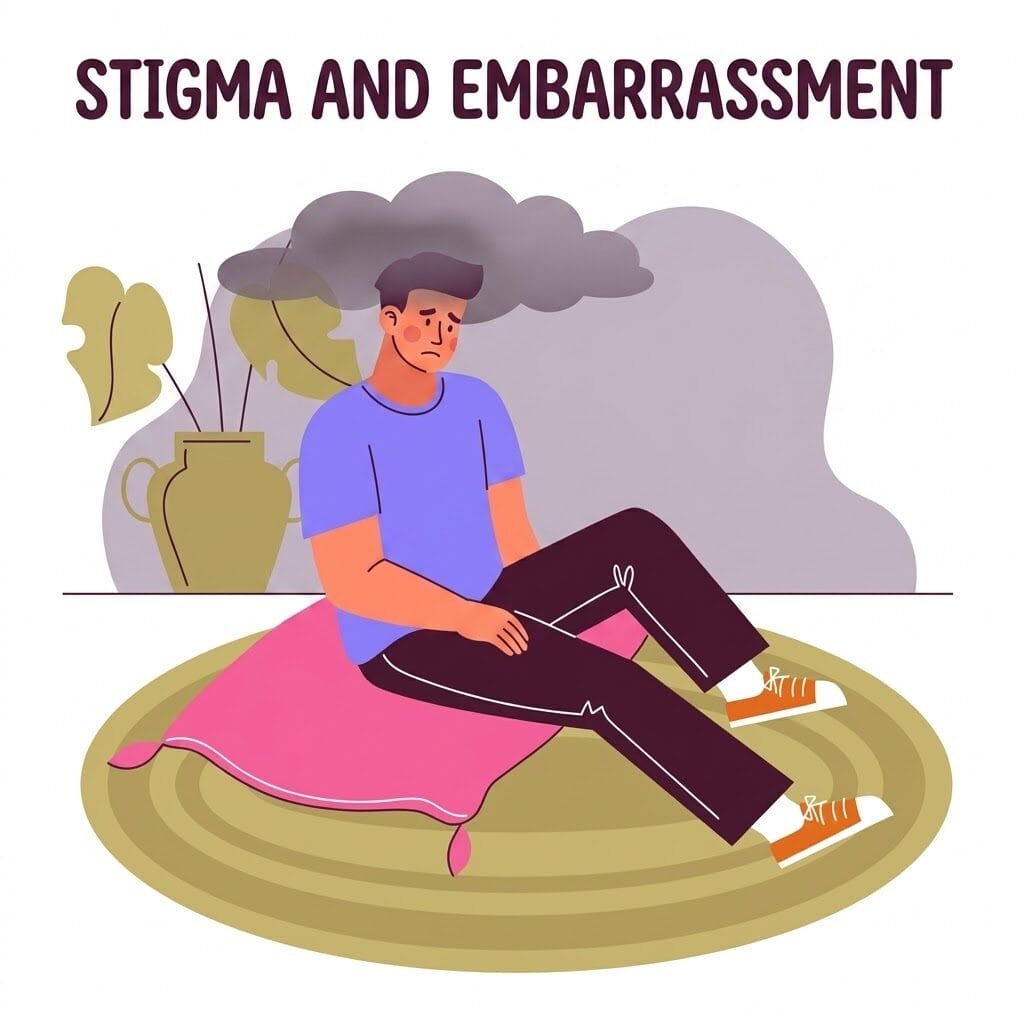
1. Stigma and embarrassment
Fear of being judged or labelled is one of the biggest barriers to help-seeking. Studies consistently show that stigma, both from others and internalized self-stigma, prevents individuals from reaching out .
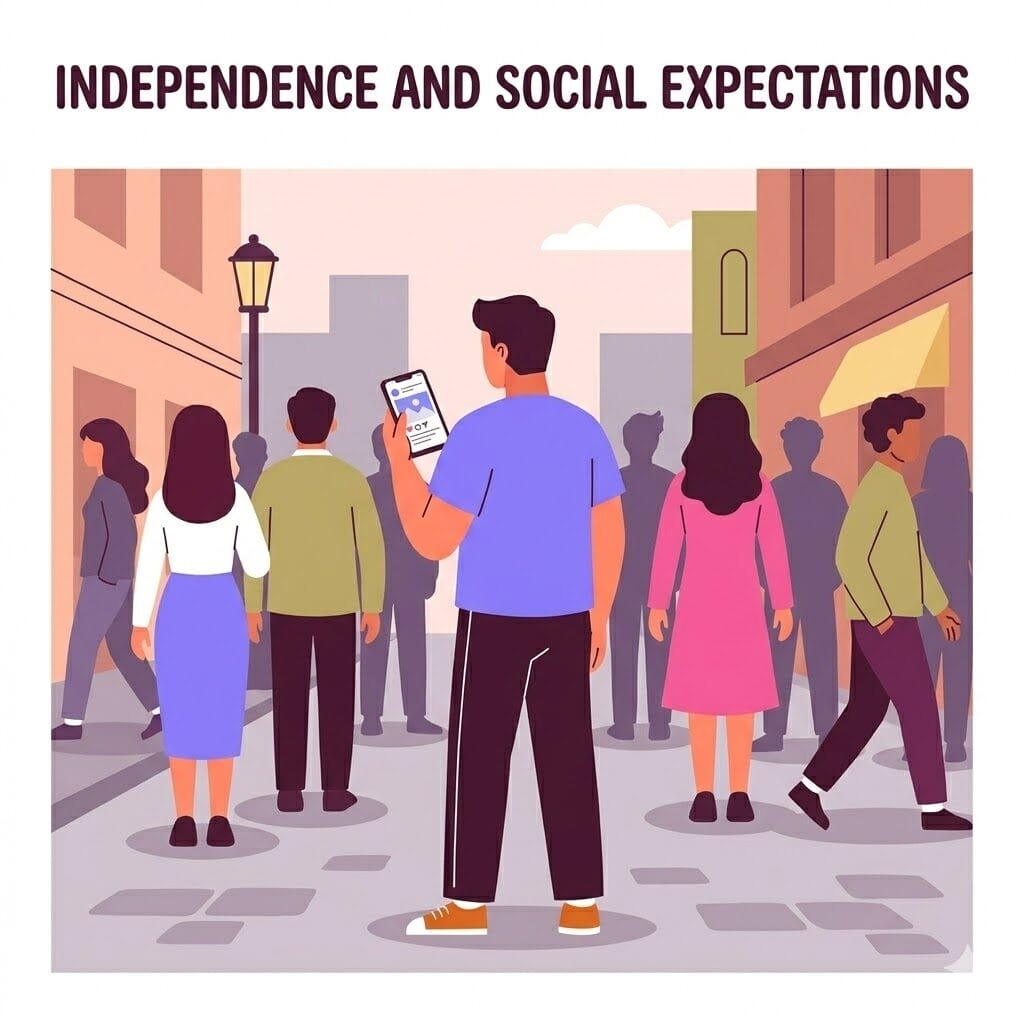
2. Independence and social expectations
Some people, particularly men, may feel pressure to appear strong or self-reliant. Research highlights how masculine norms and self-stigma can discourage help-seeking behaviors.
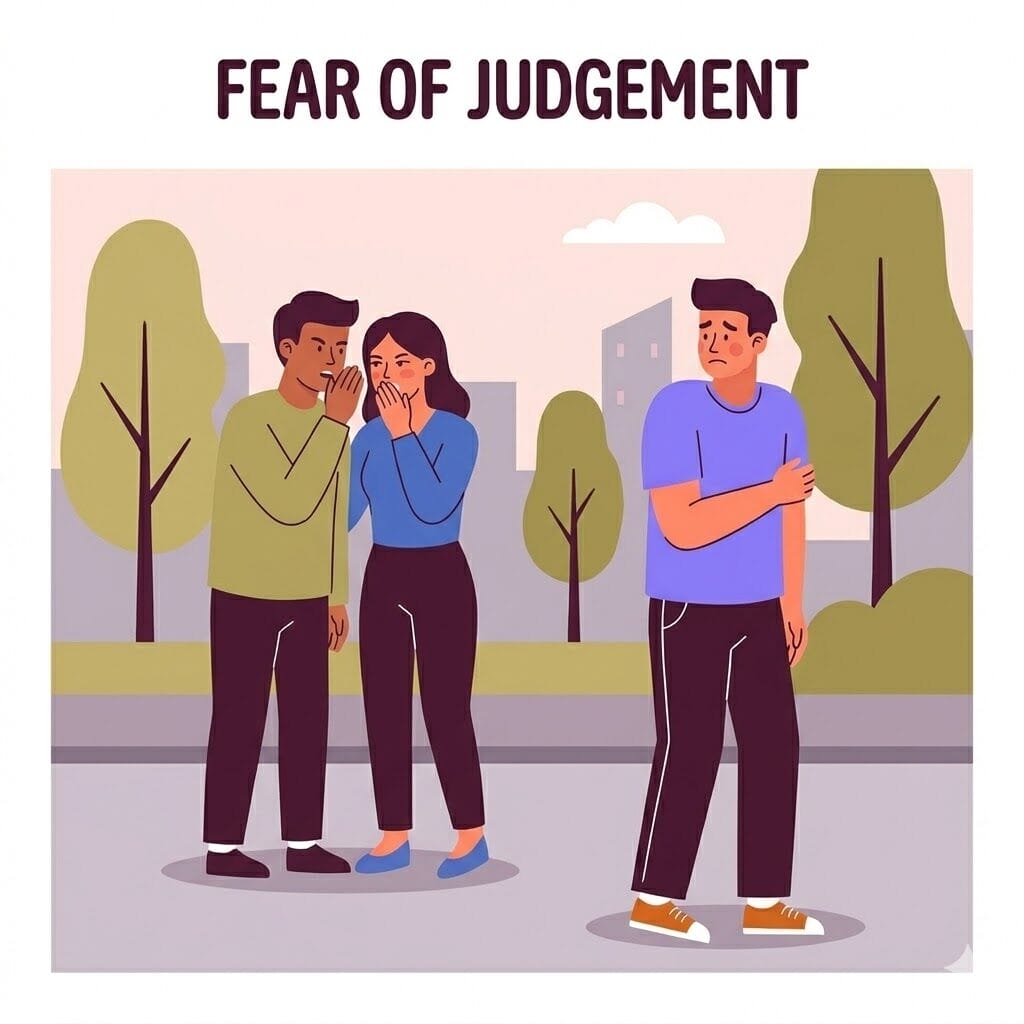
3. Fear of judgement
Concerns about how others: friends, family, or professionals. This might cause hesitation.
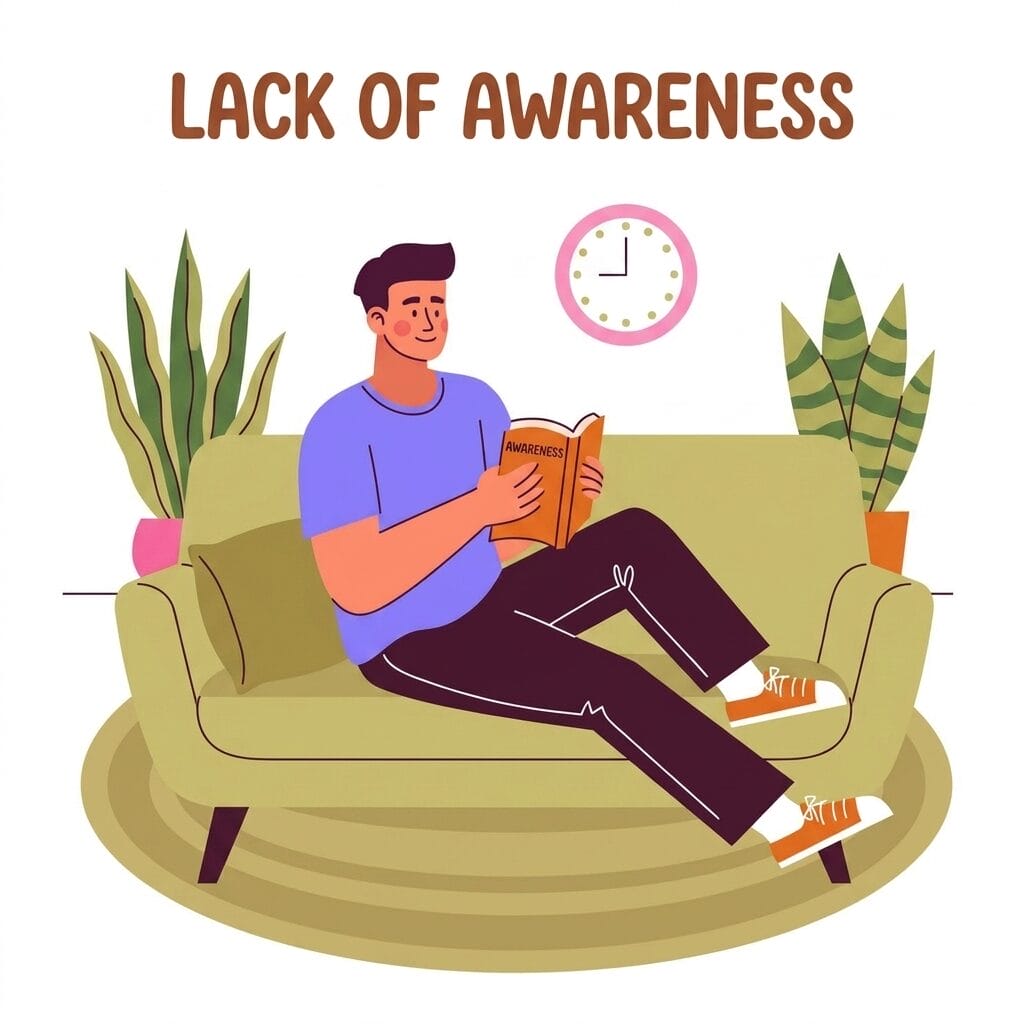
4. Lack of awareness
If someone doesn’t recognize their experiences as mental health concerns, they’re less likely to seek support. Mental health literacy plays a key role here.
Why Reaching Out Matters
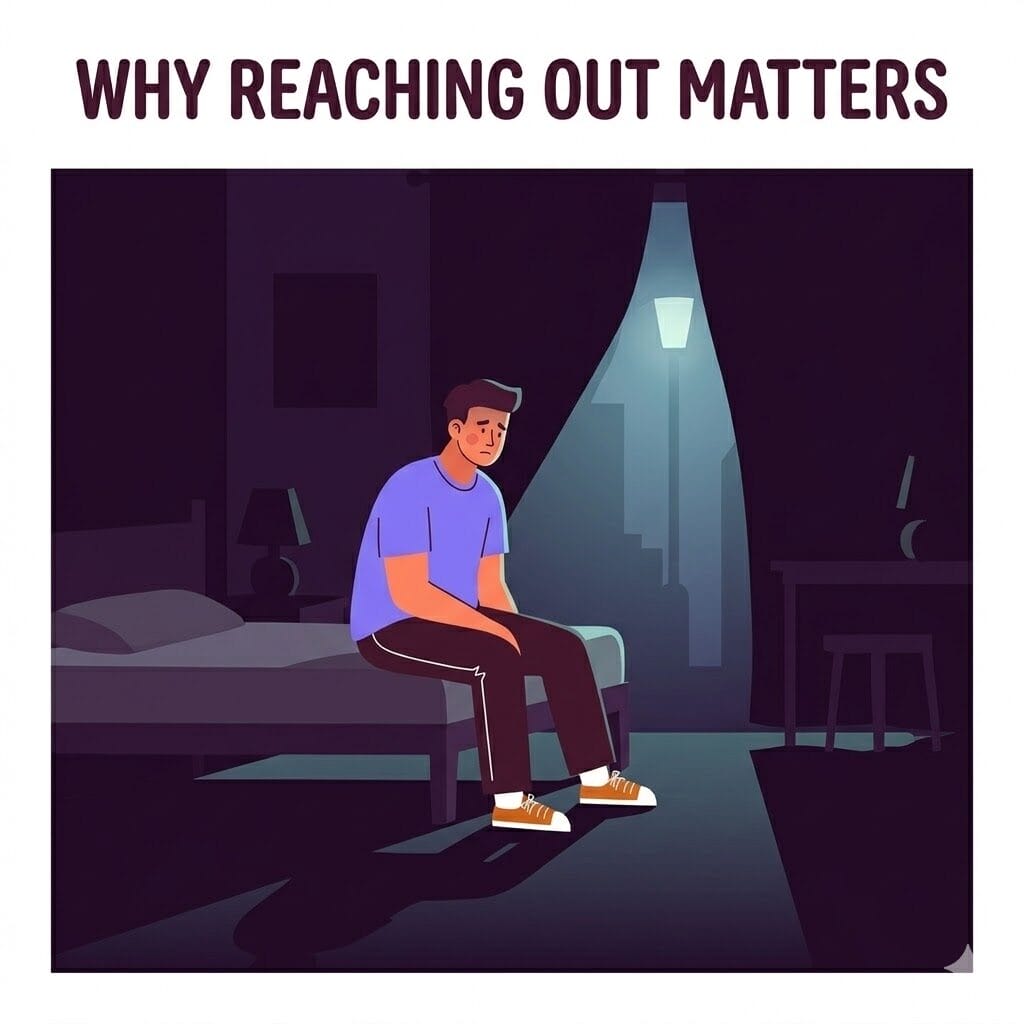
Although it can feel difficult, asking for help has real, meaningful benefits:
- Prevents worsening mental health
- Early support can reduce the severity and duration of distress.
- Supports recovery through connection
- Having a support system, whether formal (therapists) or informal (friends, family), improves outcomes.
- Opens access to resources
- Help-seeking connects individuals to tools, strategies, and professional care that they may not access alone
- Research shows that improving attitudes toward help-seeking and reducing stigma can significantly increase engagement with mental health support .
Signs You May Need Help
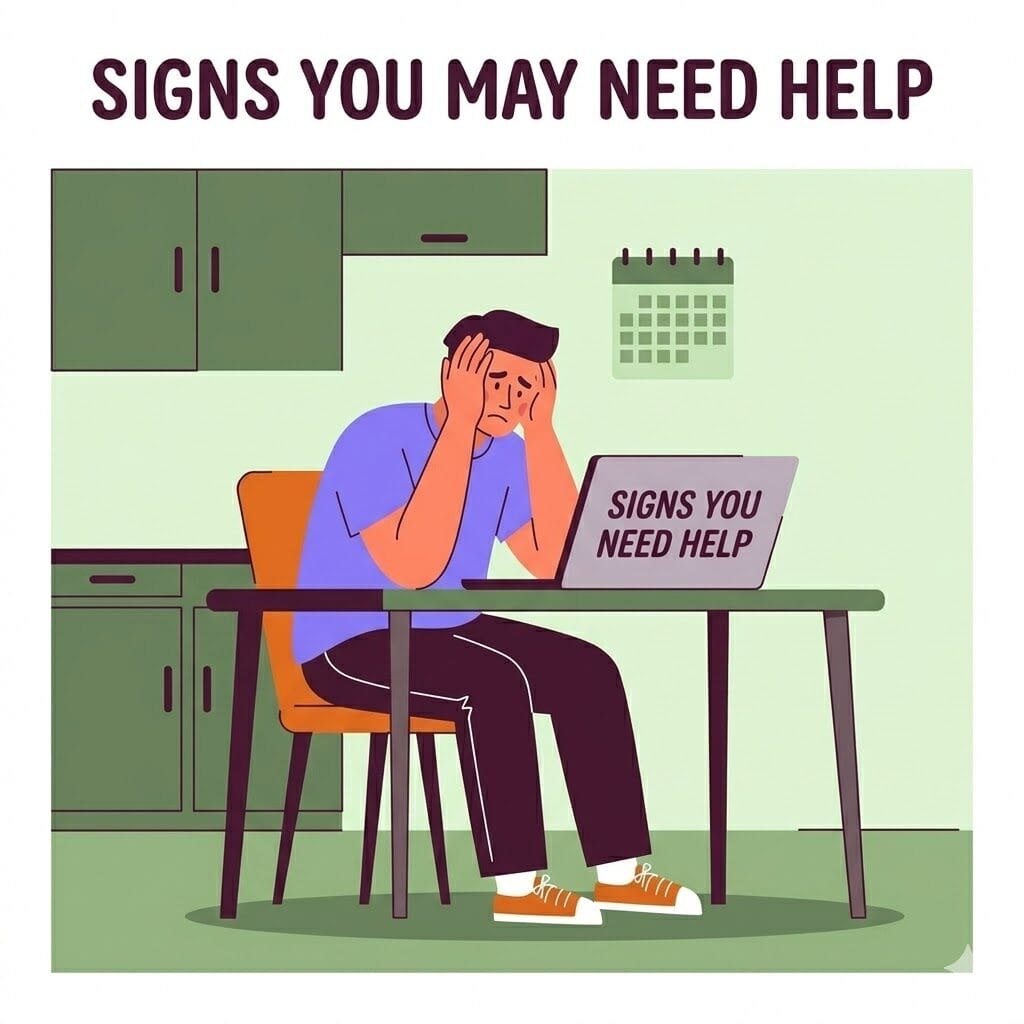
It’s not always obvious when to reach out. Some key signs include:
- Feeling emotionally overwhelmed most of the time
- Struggling to manage daily responsibilities or routines
- Experiencing persistent distress that doesn’t go away
Importantly, studies show that even individuals experiencing high distress may delay seeking help due to stigma or negative beliefs, making awareness of these signs even more crucial.
Practical Guidance on Asking for Help
If you’re unsure where to start, here are some simple, realistic steps:
1. Acknowledge that you need support
- Recognizing your own struggles is the first step. This builds self-awareness and reduces internal resistance.

2. Choose the right person or method
Support can come from different places:
- A trusted friend or family member
- A mental health professional
- Online or community-based services
Different people prefer different pathways, and that’s okay, help-seeking is not one-size-fits-all.
3. Keep it simple
You don’t need the “perfect words”. Starting with something like
“I’ve been struggling lately and could use someone to talk to” is enough.

4. Explore what works for you
Some people prefer informal support first, while others go directly to professional care. Research suggests that help-seeking often happens across multiple systems, personal, community, and professional .

Conclusion
Asking for help is not a weakness, it’s a proactive and courageous step toward wellbeing. While barriers like stigma, fear, and uncertainty are real, they can be overcome with awareness, support, and small first steps.
If you’re struggling, you don’t have to figure everything out on your own. Reaching out, no matter how small the step, can make a meaningful difference.
References
Awan, M., Boyce, M. A., & Lindsay, B. L. (2025). Mental health literacy and help-seeking: The mediating role of self-stigma and emotional intelligence. Frontiers in Psychology, 16, Article 1589093. https://doi.org/10.3389/fpsyg.2025.1589093
Doll, C. M., Michel, C., Rosen, M., Osman, N., Schimmelmann, B. G., & Schultze-Lutter, F. (2021). Predictors of help-seeking behaviour in people with mental health problems: A 3-year prospective community study. BMC Psychiatry, 21(1), 1–12. https://doi.org/10.1186/s12888-021-03435-4
Liu, J., Sha, Y., & Zhang, Y. (2025). A review of theories and models utilized by empirical studies about mental health help-seeking and implications for future research (arXiv:2502.14082). arXiv. https://arxiv.org/abs/2502.14082
Sheikh, A., Payne-Cook, C., Lisk, S., Carter, B., & Brown, J. S. L. (2024). Why do young men not seek help for affective mental health issues? A systematic review of perceived barriers and facilitators among adolescent boys and young men. European Child & Adolescent Psychiatry. Advance online publication. https://doi.org/10.1007/s00787-024-02520-9
More Posts