Book Your Appointment


Effects of Culture on Mental Health
by Layla Abdullatif
June 22, 2026
Two people can experience the exact same mental health condition very differently depending on the culture they grew up in. While we often discuss mental health through a medical lens, focusing on brain chemistry, genetics, or individual trauma, the truth is that our minds do not exist in a vacuum.
Our psychological wellbeing is deeply intertwined with our cultural backgrounds. Culture dictates how we define wellness, how we express distress, and whether we feel safe enough to ask for help. Understanding this connection is essential to creating a world where mental health support is truly accessible and effective for everyone.
What Exactly Is “Culture”?
Before diving into its impact on the mind, it helps to define what culture actually means. Culture is not just your nationality or ethnicity. It is a complex web of shared traditions, communication styles, family roles, religious beliefs, and social expectations.
Culture acts as the invisible lens through which we view the entire world. It shapes how we interpret emotions, how we handle stress, and how we navigate personal struggles. Ultimately, our cultural identity plays a massive role in our sense of self-esteem and belonging. Because it is so deeply ingrained in who we are, it naturally influences how we experience and express mental health challenges.
The Four Major Ways Culture Influences Mental Health
Cultural backgrounds impact the human psyche in several distinct ways, ranging from the social stigma we internalize to the physical ways we experience stress.
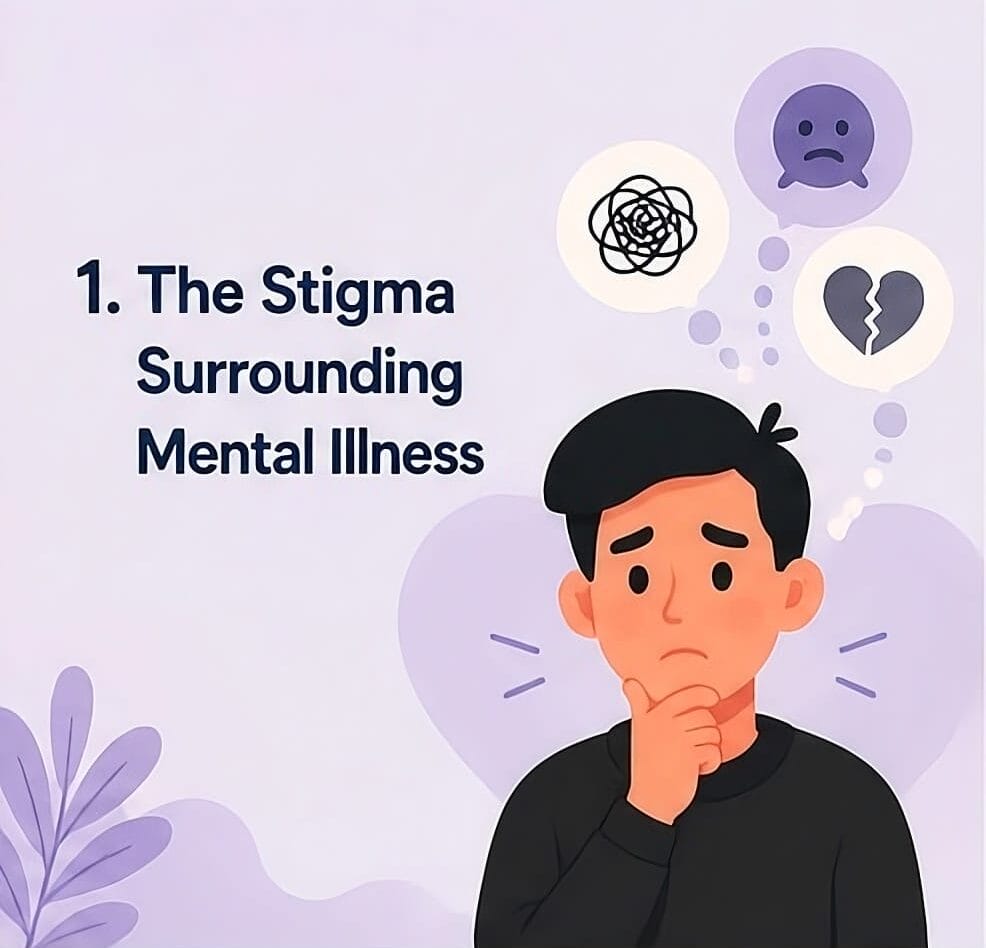
1. The Stigma Surrounding Mental Illness
In many communities around the world, mental health challenges are heavily stigmatized, viewed as a personal failure, a spiritual weakness, or a source of deep family shame. Because of this, individuals may fiercely hide their symptoms out of fear of judgment or rejection.
For instance, in some collectivist cultures, an individual’s actions are seen as a direct reflection of their entire family. A person might suffer in silence rather than risk “disappointing” their loved ones or damaging their family’s social standing. This crushing weight of stigma is often the single greatest barrier preventing people from seeking professional help.
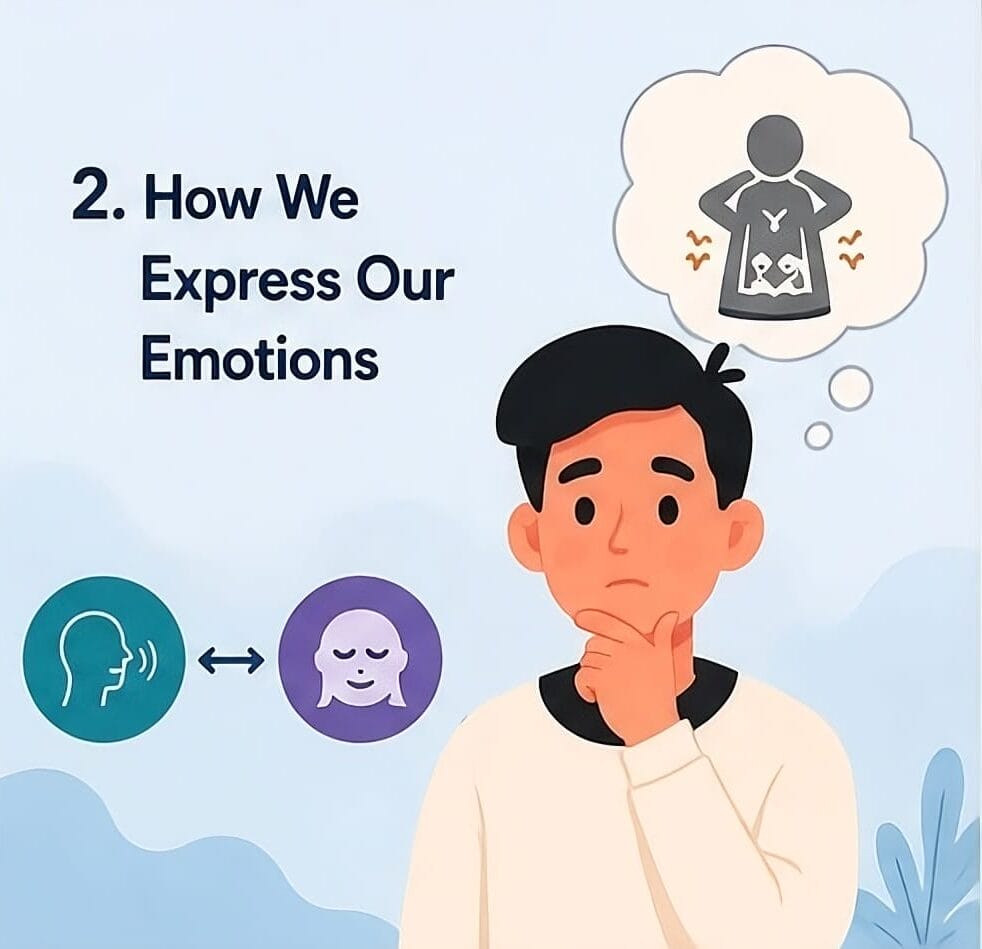
2. How We Express Our Emotions
Different cultures have vastly different rules about emotional vulnerability. Some societies value emotional openness, encouraging people to vocalize their feelings and seek comfort in others. In contrast, other cultures place a premium on emotional restraint, stoicism, and “saving face.”
These differences even change how symptoms manifest. For example, in cultures where discussing emotional distress is discouraged, mental health struggles often show up physically—a phenomenon known as somatization. Instead of saying “I feel severely depressed,” a person might visit a doctor complaining of chronic headaches, fatigue, or chest pain. Furthermore, gender expectations within a culture add another layer; men in many societies face intense pressure to suppress vulnerability entirely, which often causes depression to manifest as anger or irritability.
3. Family and Community Expectations
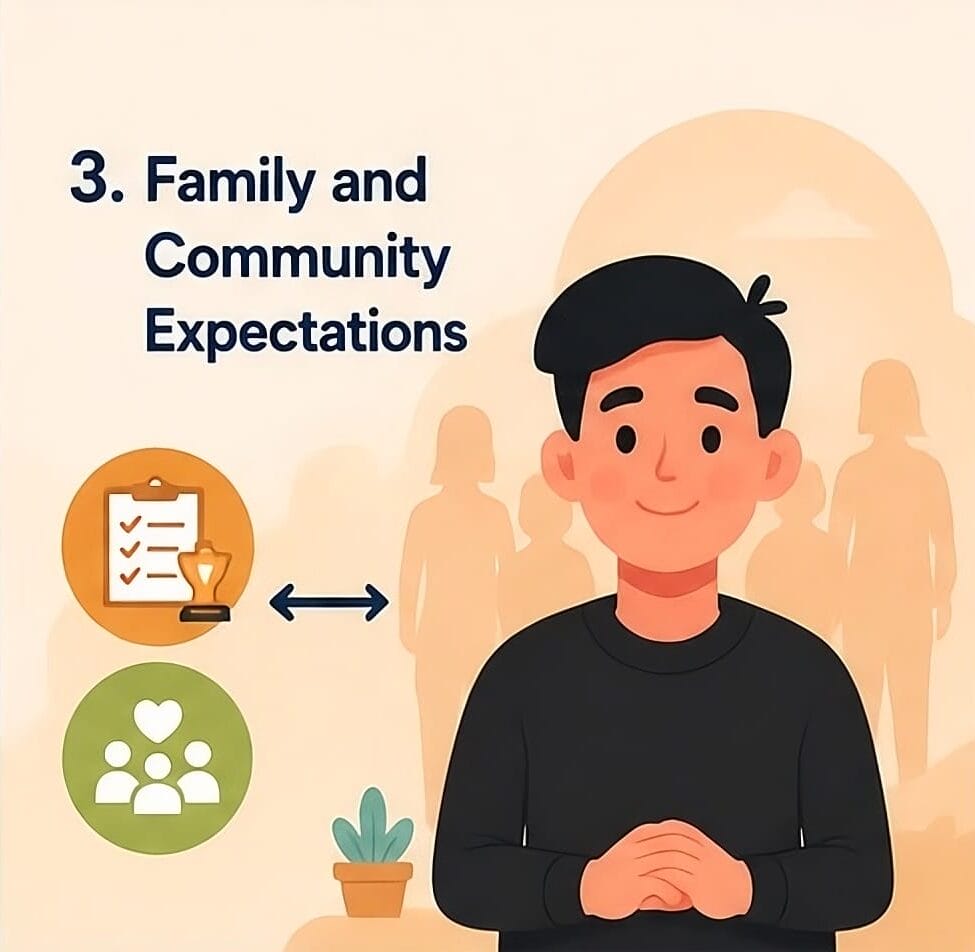
Our cultural upbringing dictates our duties to our families and communities. High-pressure environments that demand perfection in academics, career paths, marriage, or financial success can become a breeding ground for severe anxiety and chronic stress.
However, this dynamic is a double-edged sword. While community expectations can cause distress, a strong, interconnected cultural community can also act as a powerful shield for mental health. Collectivist cultures often offer robust social safety nets, deep emotional support systems, and a profound sense of security that protects individuals during difficult times.
4. Access to and Trust in Support Systems
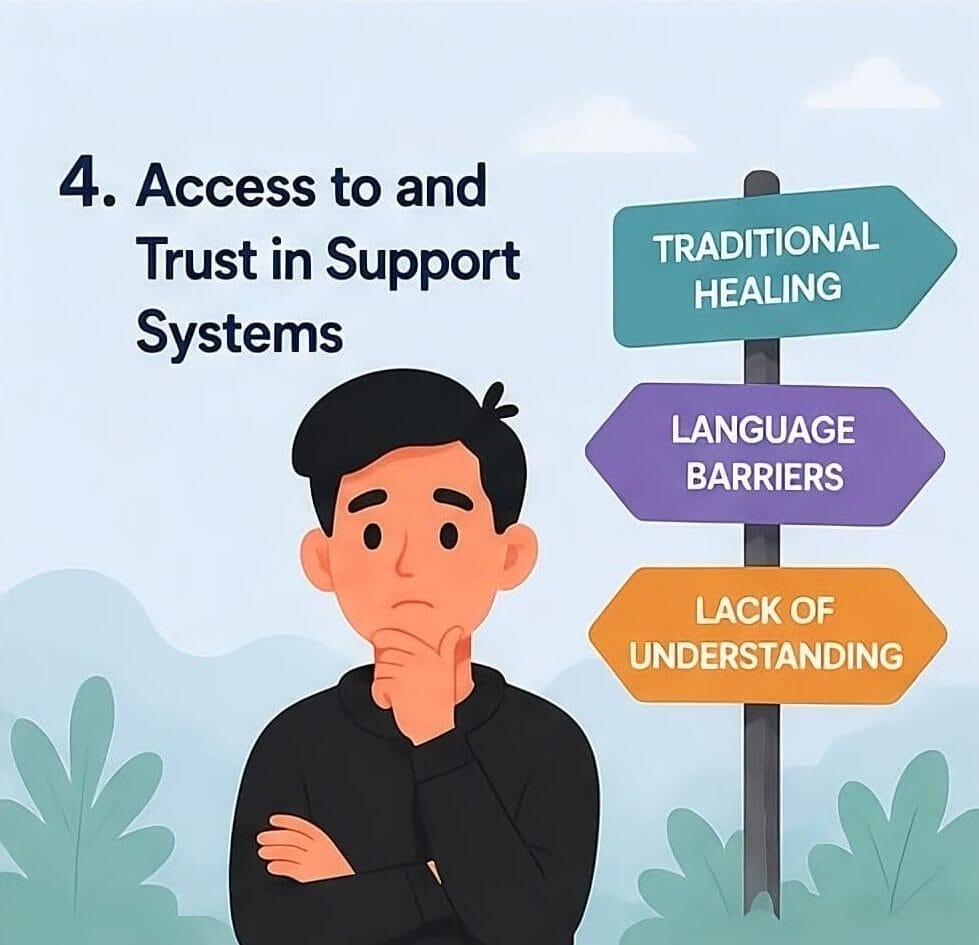
Whether or not someone seeks therapy depends heavily on their cultural view of medicine. In some communities, traditional or spiritual healing practices are trusted far more than Western psychotherapy.
When people do try to access professional care, they often run into systemic walls. Language barriers can make it incredibly difficult to explain nuanced emotional pain. Additionally, a severe shortage of culturally aware mental health professionals means that patients frequently encounter providers who do not understand their background, leading to misdiagnoses or a breakdown of trust.
Identity, Migration, and the Struggle to Belong
Our cultural identity can be a sanctuary, but it can also be a source of psychological stress. Feeling accepted and seen within one’s cultural group builds psychological resilience. Conversely, experiencing cultural isolation, racism, or systemic discrimination significantly increases the risk of developing anxiety, depression, and trauma-related disorders.
This tension is particularly acute for immigrants, refugees, and multicultural individuals. Navigating life between two different worlds—such as trying to honor traditional family expectations at home while trying to assimilate into a Westernized school or workplace—creates a unique phenomenon known as cultural identity conflict. This constant balancing act can leave individuals feeling disconnected from their roots, yet not fully accepted by their new society, leaving them caught in a psychological limbo.
Why Culturally Sensitive Care is Non-Negotiable
Because culture and the mind are so deeply linked, a “one-size-fits-all” approach to mental health care simply does not work. For therapy to be successful, mental health services must be culturally sensitive.
When a therapist takes the time to understand a patient’s cultural background, it builds an immediate foundation of trust. It ensures that treatment plans respect the patient’s worldview rather than clashing with it. True equity in healthcare requires diverse representation among providers and the creation of genuinely safe, inclusive spaces for marginalized communities.
Practical Ways to Support Mental Health Across Cultures
Building a culturally inclusive approach to mental wellbeing starts at the community level. Here are actionable steps we can all take to bridge the gap:
Normalize the Conversation: Talk openly about mental health within your social and cultural circles to chip away at generational taboos.
Practice Judgment-Free Listening: When someone shares their struggles, validate their feelings without filtering them through your own cultural assumptions.
Educate Yourself: Take the time to learn how different cultures view emotional wellness and coping mechanisms.
Advocate for Inclusivity: Support organizations, policies, and mental health services that prioritize multilingual care and cultural competence training.
Empathy in a Diverse World
Culture profoundly shapes how we experience the world, how we hurt, and how we heal. By recognizing that mental health is deeply contextual, we can dismantle the stigmas that keep so many people suffering in silence.
True progress in mental health care requires us to move past rigid, standardized frameworks and embrace a more compassionate, inclusive, and culturally aware approach. When mental health support respects an individual’s culture and identity, people are finally able to feel seen, understood, and truly supported.
References
Baez, S., Castro-Aldrete, L., Britton, G. B., Ibañez, A., & Santuccione-Chadha, A. (2024). Enhancing brain health in the global south through a sex and gender lens. Nature Mental Health, 2(11), 1308–1317. https://doi.org/10.1038/s44220-024-00339-6
Golden, T. L., Ordway, R. W., Magsamen, S., Mohanty, A., Chen, Y., & Ng, T. W. C. (2024). Supporting youth mental health with arts-based strategies: a global perspective. BMC Medicine, 22(1), Article 34. https://doi.org/10.1186/s12916-023-03226-6
Gopalkrishnan, N. (2018). Cultural diversity and mental health: Considerations for policy and practice. Frontiers in Public Health, 6, Article 179. https://doi.org/10.3389/fpubh.2018.00179
Harker, L., & Phung, S. (2026). Exploring cultural influences in the associations between emotion regulation and mental health: A systematic review comparing East Asian and Western cultural contexts. Journal of Cross-Cultural Psychology, 57(3), 312–338. https://doi.org/10.1177/136346152413097086
Kato, T., Tanaka, M., & Fancourt, D. (2026). Traditional arts and events for mental and social well-being: A scoping review framed by intangible cultural heritage. The Lancet Public Health, 11(1), e45–e56. https://doi.org/10.1016/S2468-2667(26)12958077
Terrana, A., & Al-Delaimy, W. (2023). A systematic review of cross-cultural measures of resilience and its promotive and protective factors. Transcultural Psychiatry, 60(5), 733–750. https://doi.org/10.1177/13634615231167661
Tubadji, A. (2021). Culture and mental health resilience in times of COVID-19. Journal of Population Economics, 34(4), 1219–1259. https://doi.org/10.1007/s00148-021-00840-7
Ungar, M. (2013). Resilience, trauma, context, and culture. Trauma, Violence, & Abuse, 14(3), 255–266. https://doi.org/10.1177/1524838013487805
More Posts